McAllen Septic: Aerobic vs Conventional Septic Systems in McAllen
This McAllen Septic guide answers a question every septic owner around McAllen eventually runs into: is the system in the yard aerobic or conventional, and why should it matter? The two types treat wastewater differently, sit under different Texas upkeep rules, and break in different places. Below they are set side by side, with typical costs and the county permit counts that show which type is going into the ground today.
How a Conventional Septic System Treats Wastewater
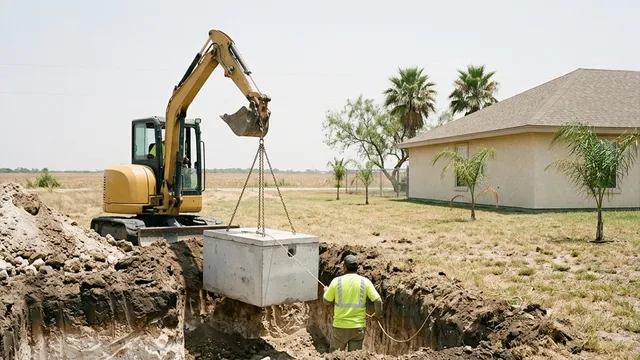
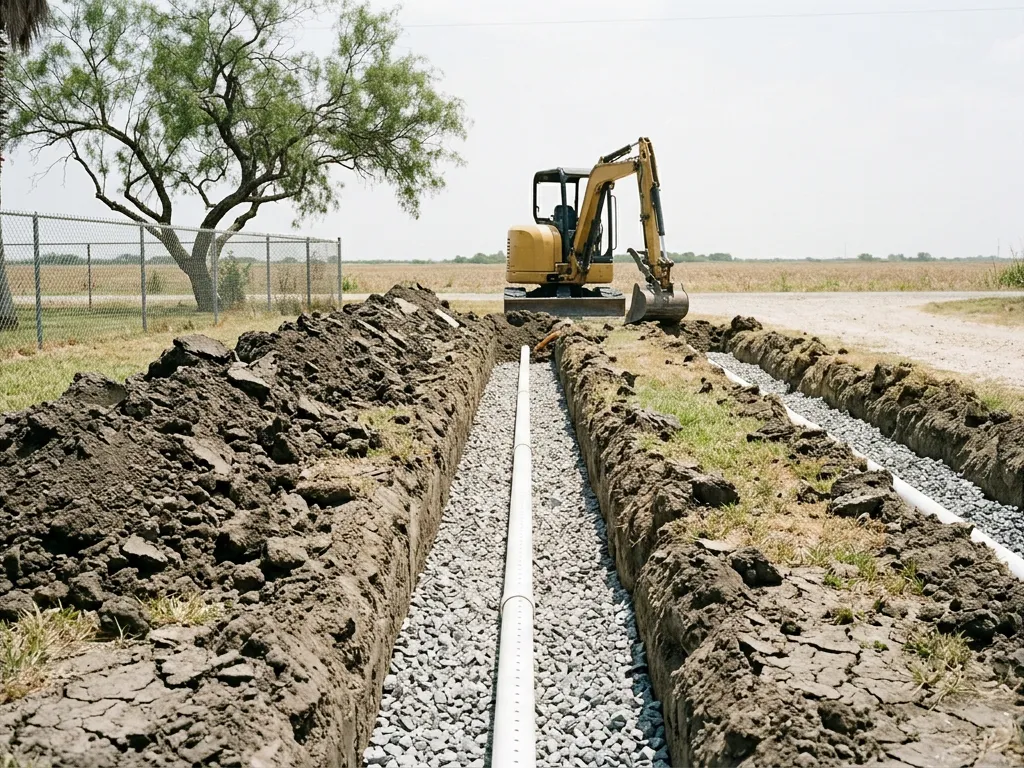
A conventional system is a buried tank followed by a drain field. Everything from the house flows into the tank, where heavy solids settle to the bottom as sludge and grease and lighter material float to the top as scum. The liquid between those layers, the effluent, leaves the tank and soaks into the soil of the drain field, which does the rest of the treatment.
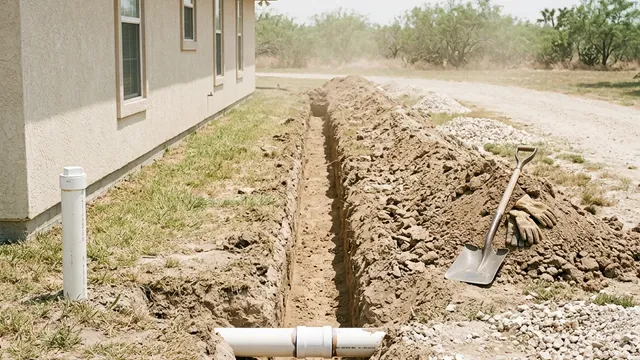
Around McAllen the drain field is usually gravel-less pipe. Texas A&M AgriLife's L-5343 describes it as 8 or 10 inch pipe wrapped in geotextile fabric, laid in trenches 2 feet wide and no more than 150 feet long. Under 30 TAC 30.244 an Installer I may build these standard systems, along with leaching chambers and pumped effluent drain fields.
How an Aerobic Septic System Treats Wastewater
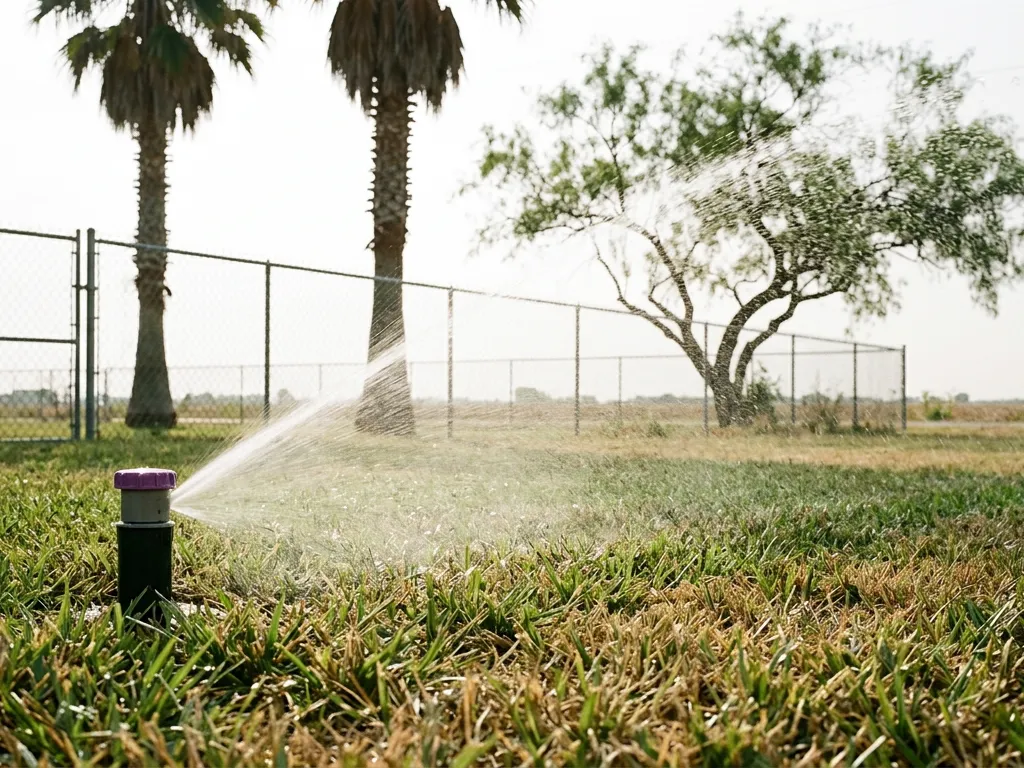
An aerobic unit is a secondary-treatment system. An air pump, often called the aerator, pushes air into the treatment chamber so that oxygen-loving bacteria break the waste down further than a plain tank can. The treated water then passes a chlorinator for disinfection and is pumped to sprinkler heads that spray it over a lawn area. A control panel runs the pump and carries the alarm, and a float switch tells the pump when to run.
More equipment brings more rules. Only an Installer II may install every system type. Texas setbacks put a spray area 10 feet from property lines and 25 feet from a pool, and Hidalgo County's order keeps picnic tables, play equipment and BBQ pits out of it.
What Each Septic Type Asks of the Owner
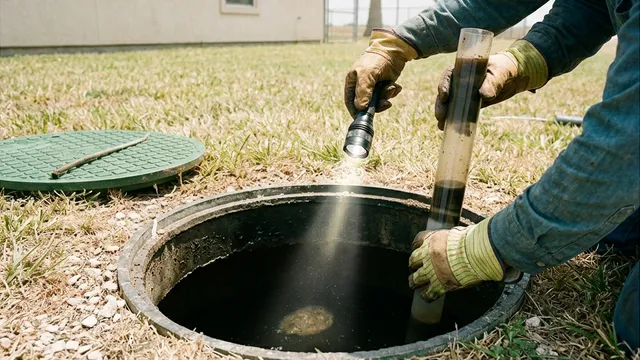
A conventional tank asks for little beyond pumping. TCEQ puts the interval at three to five years, and EPA SepticSmart adds an inspection at least every three years so the sludge and scum layers get measured instead of guessed.
An aerobic system runs on a contract. Under 30 TAC 285.7 a new one comes with a two-year maintenance contract with a licensed maintenance provider, who inspects, tests and reports at least every four months and files the report with the permitting authority no later than 14 days after the visit. After two years the state rule lets a single-family owner renew or maintain the system personally; confirm with the county before relying on that in Hidalgo County. The contract also names who stocks the chlorinator, and TCEQ is blunt about what goes in it: calcium hypochlorite tablets made for wastewater, never swimming pool tablets.
Aerobic vs Conventional Septic, Side by Side
The table puts the two types next to each other. Prices are typical ranges from the guides named, not quotes.
| Conventional system | Aerobic system | |
|---|---|---|
| How it treats | Tank settles solids; effluent soaks into the soil | Air pump adds oxygen; water is chlorinated, then sprayed |
| Where the water goes | Buried drain field: gravel-less pipe, chambers or trench | Sprinkler heads over a lawn spray area |
| Texas upkeep rule | Pump every three to five years (TCEQ) | Contract, plus inspection and report every four months (285.7) |
| Who may install | Installer I or Installer II | Installer II |
| Typical upkeep cost | Tank cleaning, $300 to $600 a visit (Fixr) | $275 to $535 a year for three inspections (Texas Star Aerobic) |
| Typical repair cost | Drain field repair, $1,000 to $5,000 (Fixr) | Aerobic repair, $500 to $1,500 (Texas Septic Guide) |
| Hidalgo County, 2025 disposal permits | 1,299 gravel-less pipe, 67 chambers, 11 trench or bed | 0 surface spray, 0 drip |
What Aerobic and Conventional Systems Cost Around McAllen
No Rio Grande Valley operator publishes a septic price, so every figure here is a Texas or national typical range. For a standard home in southern Texas, Wholesale Septic Supply puts a new system at $6,000 to $8,000, with $1,500 to $4,500 more when extensive hand digging is needed. Fixr's national range is $4,500 to $9,000.
Running costs split by type. A conventional tank cleaning runs $300 to $600 per Fixr. An aerobic plan with three inspections runs $275 to $535 a year from Texas Star Aerobic, and service calls run around $125 plus parts at Advanced Aerobic Systems in Brazoria County. Wholesale Septic Supply sells air pumps at $265 to $295 and a control panel at $344. A $275 to $535 maintenance year is the cheap side of a trade whose other side is a $500 to $1,500 aerobic repair.
Not sure which system you have, or what it needs next? Call and we will connect you with a local septic contractor who can tell you and price the work.
Call (956) 758-8136Which Septic Type Hidalgo County Is Permitting Now
TCEQ's authorized-agent reports give the county's own numbers: 1,962 authorizations to construct in 2023, 1,333 in 2024 and 1,378 in 2025. Of the 2025 total, 1,299 were gravel-less pipe drain fields, 67 were leaching chambers and 11 were standard trench or bed. Surface spray, drip and mound systems were all zero. New systems in the county are conventional drain fields.
Two cautions keep that honest. The counts record the disposal type, not whether an aerobic unit sits in front of it. And aerobic spray systems from earlier years are still in the ground, still under the four-month rule. Cities that act as their own authorized agent keep separate counts: TCEQ lists McAllen, Mission, San Juan, Palmhurst and Donna. For homes inside San Juan or Mission, the city is the office to ask about a permit.
The quickest way to tell the two apart is to walk the yard. Sprinkler heads in the lawn, a control panel on a post or wall, and an air pump near the tank mean an aerobic system, and the four-month clock applies; the details are on our aerobic septic maintenance page. A yard with only tank lids and a quiet lawn over the field is conventional, and septic tank cleaning every three to five years is the main job.
Want a number for your own system? (956) 758-8136