McAllen Septic: Signs Your Septic System Is Failing in McAllen
McAllen Septic put this guide together for McAllen homeowners who suspect something is wrong with the septic system but are not sure what. Some signs announce themselves, like an alarm or sewage coming back into the house. Others only show when someone opens the tank and measures. Below is each sign, what it points at, what the fix tends to cost by the published ranges, and when it is worth picking up the phone.
Two Kinds of Septic Warning Signs
The first kind you hear or see: a septic alarm, a red light on the control panel, water standing over the lids after a storm, a drain that sends sewage back up. These are the calls that cannot wait, and the cheapest moment to deal with them is the first day you notice.
The second kind is silent. A tank filling with sludge and scum gives no outside sign until it is well past due, and an aerobic system with an empty chlorinator can look fine from the porch. You find these by measuring and by keeping track of dates, which is why the trip ticket from your last pump-out is worth keeping.
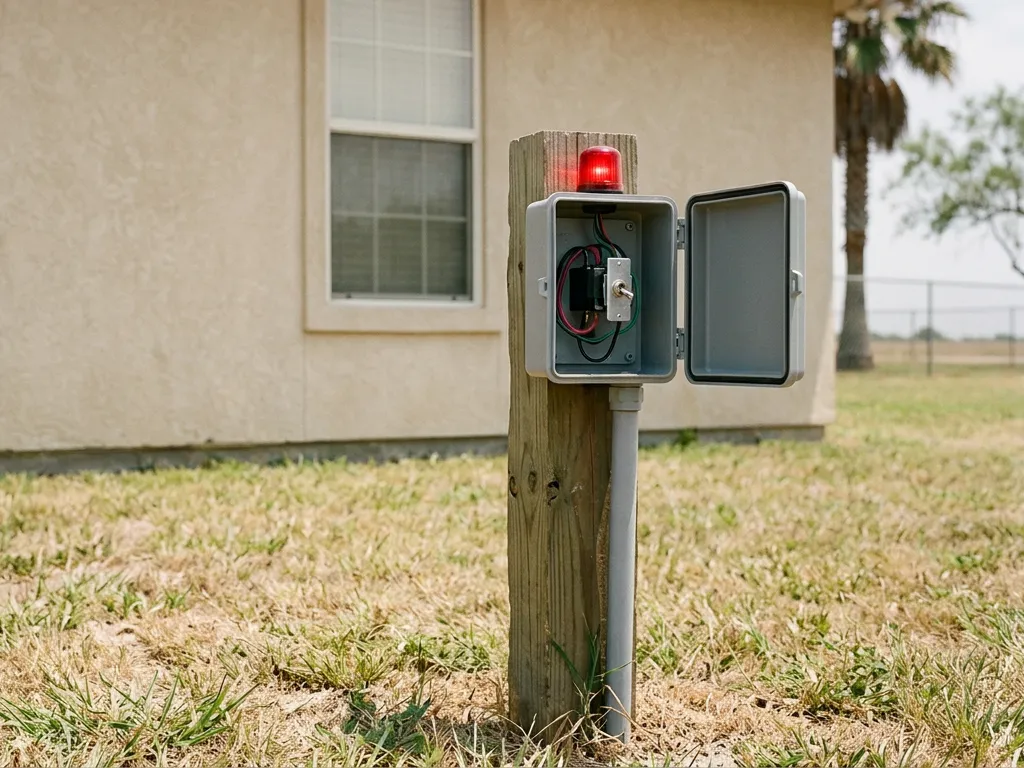
A Septic Alarm or a Red Light on the Control Panel
A septic alarm usually points at one of three things: a float, a pump or a high water level in the tank. A float switch is the cheapest of the three; Fixr puts float switch replacement at $150 to $500, and the part itself sells for about $45. A failed pump is the next step up, at $250 to $500 to replace by Fixr's figures, with effluent pumps running $325 to $450 for the part.
High water is the one to take most seriously, because it means wastewater is not leaving the tank the way it should. EPA says systems with float switches, pumps or other mechanical parts should be inspected about once a year, which is often enough to catch a sticking float before it sets off the alarm. If yours is sounding now, start with septic alarm repair.
Sewage Backing Up Into the House
A backup means wastewater has nowhere left to go. The blockage can sit anywhere from the line leaving the house to the tank or the drain field beyond it, and only someone with the lids off can say which. Use as little water as you can until the system is checked.
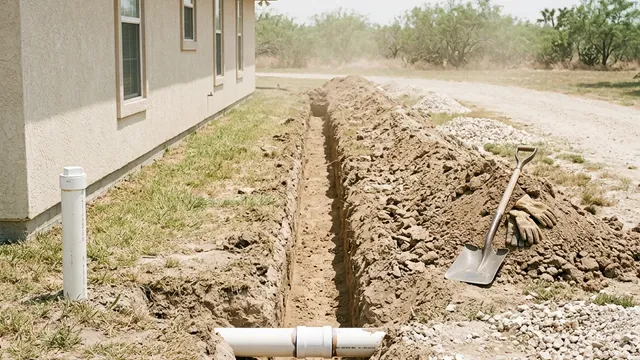
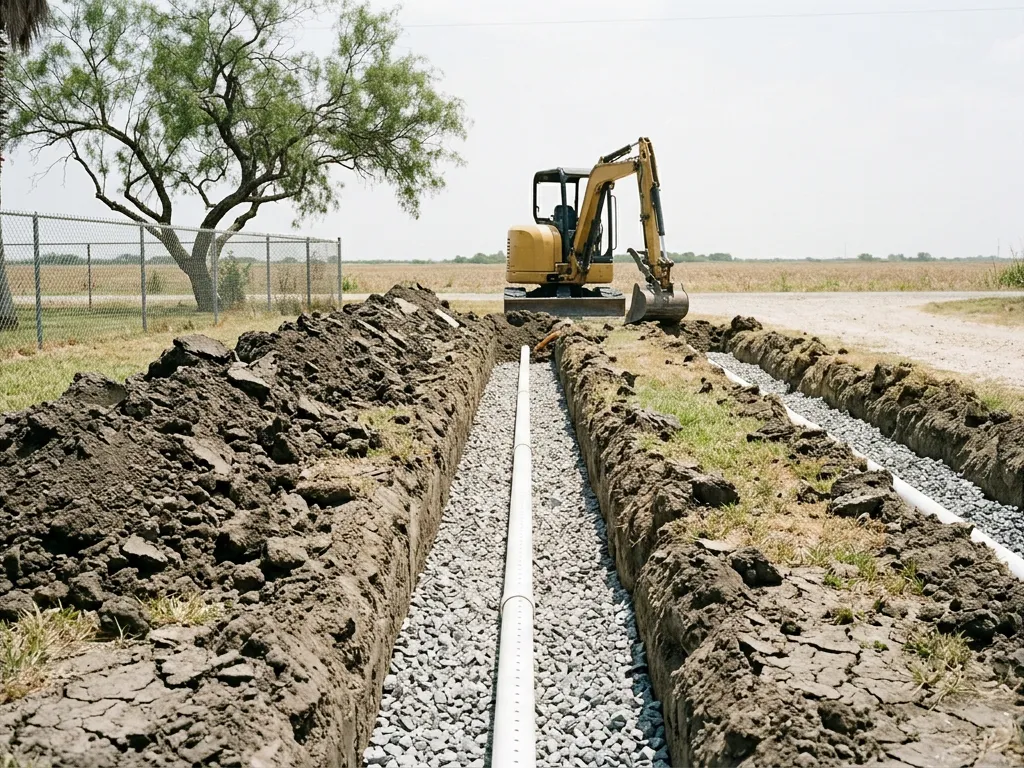
The fix runs from small to large. A septic line repair is typically $200 to $800 (Fixr). A drain field repair runs $1,000 to $5,000, and a drain field replacement $2,000 to $20,000, which in Texas is a repair that needs a permit for the whole system. If it happens on a weekend, Texas Septic Guide puts emergency septic service at $450 to $700, and This Old House says after-hours work typically runs 50% to 100% above standard rates.
Alarm sounding or sewage backing up? Call to reach a septic contractor who serves your McAllen address.
Call (956) 758-8136Sludge and Scum Past the EPA Lines
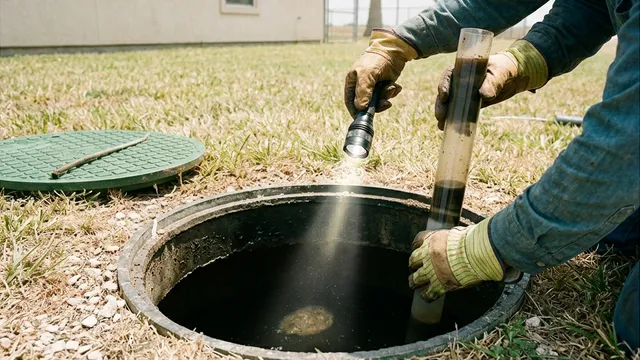
This sign never shows from the yard. EPA SepticSmart says to pump when the scum layer is within six inches of the bottom of the outlet, when the sludge is within 12 inches of the outlet, or when sludge and scum together are more than 25 percent of the liquid depth. Someone has to open the tank and measure to know.
Dates stand in for the measurement. EPA says inspect at least every three years and pump every three to five. TCEQ's table puts a four-person home on a 1,000 gallon tank at about 2.6 years, and AgriLife's older sheet says two to three. A garbage disposal shortens the interval. If your last trip ticket is older than that, the tank is due whether or not anything looks wrong, and a heavy sludge layer can add $100 to $300 to the cleaning.
Aerobic Warning Signs: Air Pump, Spray Heads and Chlorine
An aerobic system has more parts to fail and more ways to show it. An air pump that has gone silent, a spray head that no longer pops up, or an empty chlorinator are all signs the treatment side needs attention. On a contracted system, TCEQ rules call for an inspection, test and report at least every four months; if nobody has opened your lids in longer than that, the maintenance has slipped.
The chlorinator takes calcium hypochlorite tablets made for wastewater disinfection, never swimming pool tablets. Parts are not the expensive piece: an air pump sells for $265 to $295 and sprinkler heads for $20 to $37.50 (Wholesale Septic Supply). Texas Septic Guide puts an aerobic pump replacement with labor and wiring at $500 to $1,500. Swapping pumps or aerator lines is routine maintenance and needs no permit.
After a Flood in the Rio Grande Valley
Texas A&M AgriLife's flood guidance is plain: do not use the system until floodwater has receded from every component. Then check for damaged lids and exposed parts, and call a service provider if any component filled with water.
Hidalgo County treats floodplains seriously. Septic tanks are restricted in all floodplain hazard areas, and plats there need a special flood-zone design with tank anchoring, backflow valves and a sealed tank cover. A broken lid or riser is a dangerous hazard under the state rule, and an emergency fix of one needs only a written notice to the permitting authority afterward.
When to Call About a Failing Septic System
Call right away for an alarm that will not stop, sewage in the house, or floodwater that filled any part of the system. Book a visit soon if your last pump-out is past the interval above or an aerobic system has missed its four-month inspection.
Have three things ready: the last trip ticket, which shows when the tank was pumped; the maintenance contract, if you have an aerobic system; and the tank size, if you know it, since a 1,000 gallon and a 1,500 gallon tank price differently.
Most failing systems give at least one of these signs before the expensive repair, whether you live in McAllen or out among homes around Alton. The cheapest response is almost always the earliest one: a float, a pump-out or a skipped aerobic inspection costs far less than a drain field.
Want a number for your own system? (956) 758-8136